The Koschmann lab is studying the molecular mechanisms by which mutations in pediatric High-Grade Glioma and Diffuse Intrinsic Pontine Glioma (DIPG) can be therapeutically targeted. The Koschmann Lab’s work in precision medicine pushes the boundaries of targeted therapies and precision diagnostics for children diagnosed with these brain tumors. Through highly collaborative basic, translational, and clinical research, the Koschmann Lab strives towards improving outcomes and providing hope for children fighting these devastating diseases.


Research

Genetic Drivers of diffuse midline glioma (DMG)
The Koschmann lab is studying the molecular mechanisms by which mutations (H3K27M, PDGFRA, EGFR, ATRX) promote tumor formation and genetic instability in pediatric diffuse midline glioma (DMG), and diffuse intrinsic pontine glioma (DIPG). Their work is currently focused on how mutations in DMG might affect tumor growth, evolution, surrounding brain cells (tumor micro-environment).
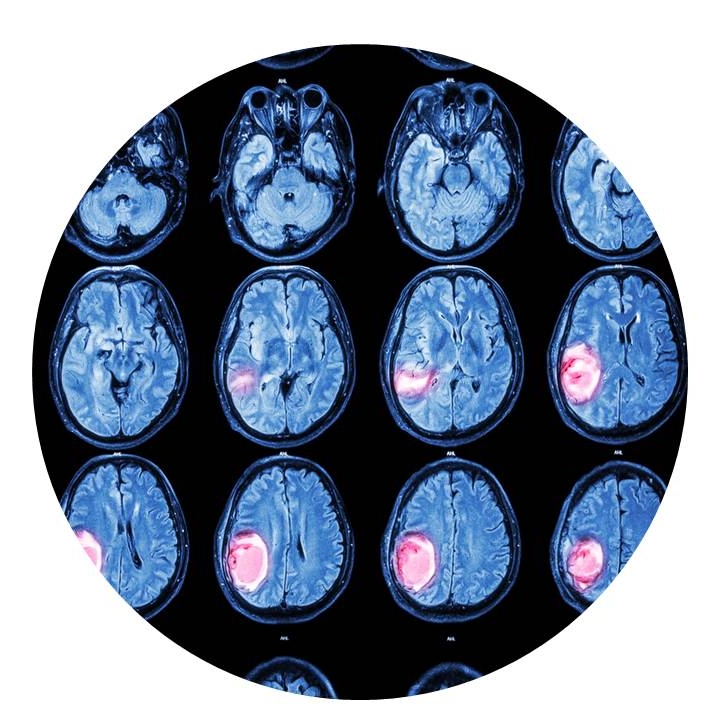
Mechanisms of Therapeutic Response and Resistance in DMG
The Koschmann Lab studies how genetic changes that drive pediatric diffuse midline glioma (DMG) and other high-grade gliomas affect tumor growth and response to treatment. The lab focuses on how alterations in tumor mutations influence tumor biology and why some tumors become resistant to radiation or targeted therapies, including dordaviprone (ONC201) and the PDGFRA inhibitor avapritinib.

COrrelate CSF and PLASMA TRACKING of RESPONSE in DMG
The Koschmann lab develops and studies minimally invasive blood- and cerebrospinal fluid (CSF)-based tests that can detect tumor DNA and track how a brain tumor changes over time. These “liquid biopsies” are being investigated as tools to measure tumor burden, monitor treatment response, and identify emerging treatment resistance, with the goal of making real-time tumor monitoring part of routine clinical care.